Mohit Jaglan

5 Things Architects Should Consider Before Finalising Brickwork

Brickwork is one of the most important elements of a building’s construction. While bricks contribute to the structural performance, durability, appearance, and thermal comfort of a building, choosing right bricks requires more than simply comparing prices. Architects need to evaluate brick quality, strength, dimensions, water absorption, appearance, and suitability for the project before finalising brickwork. For residential, commercial, and institutional projects, choosing a reliable brick manufacturer can make a significant difference to the overall construction quality. Brands such as Kailash Bricks can be considered when architects are looking for quality bricks that meet project requirements. Here are five important factors architects should consider before finalising brickwork. 1. Check Brick Quality and Strength The first and most important consideration is the quality and compressive strength of bricks. Bricks used in construction should be capable of handling the loads and environmental conditions expected in the building. Architects should consider: A good-quality brick should have a dense and uniform structure and should not easily crumble when handled. Why Brick Strength Matters The strength of bricks can influence the durability and performance of masonry walls. Selecting bricks according to the requirements of the project can help reduce problems such as premature deterioration, cracking, and excessive maintenance. Therefore, architects should verify the brick specifications and quality standards before approving the material for construction. 2. Consider Water Absorption and Durability Water exposure is another important factor when selecting construction bricks. Excessive water absorption can affect masonry performance and may contribute to dampness-related problems if the overall wall system is not properly designed. Before finalizing bricks, architects should check: Choosing Right Bricks for Different Climatic Conditions Buildings located in areas exposed to heavy rainfall, humidity, or significant temperature variations require materials that can perform reliably under those conditions. A durable brick for construction should maintain its physical properties over time and provide consistent performance when properly installed with suitable mortar and waterproofing measures. 3. Verify Size, Shape, and Dimensional Consistency Brick dimensions may appear like a small detail, but they can have a direct impact on masonry work. Bricks with inconsistent dimensions can make it difficult for masons to maintain uniform courses and joints. Architects should look for: Why Uniform Bricks Are Important Consistent brick sizes help create neat, uniform masonry walls. They can also make laying easier and help maintain more consistent mortar joints. Dimensional consistency can therefore contribute to: When evaluating bricks for building construction, architects should consider both technical specifications and practical usability on site. 4. Evaluate Appearance and Architectural Finish Bricks are not only construction materials; they can also contribute significantly to a building’s visual identity. This is particularly important for projects where brickwork is exposed or forms part of the architectural design. Architects should evaluate: Bricks for Aesthetic and Exposed Brickwork For exposed brick walls, even small variations in colour or texture can affect the final appearance. Architects should therefore review physical samples before approving a particular brick. If the project includes exposed brickwork, it is also important to consider how the bricks will look under natural and artificial lighting and how their appearance will complement other materials such as concrete, stone, glass, wood, and metal. 5. Consider Supplier Reliability and Overall Project Cost Price is an important factor, but architects should avoid selecting bricks based solely on the lowest quoted price. The overall value of bricks depends on quality, consistency, availability, transportation, wastage, and long-term performance. Before finalising a brick supplier, consider: Why a Reliable Brick Manufacturer Matters Construction projects often require large quantities of bricks. Delayed deliveries or inconsistent quality between batches can affect project schedules and masonry quality. Working with a dependable brick supplier and manufacturer can help architects and contractors maintain greater consistency throughout the project. Final Checklist for Architects Before Approving Bricks Before finalising brickwork, architects can use this quick checklist: Factor What to Check Strength Compressive strength and structural suitability Water Absorption Absorption characteristics and durability Dimensions Size, shape, edges, and consistency Appearance Colour, texture, and surface finish Supplier Quality consistency, availability, and delivery Cost Total value rather than only purchase price Why Choosing Right Bricks Matters The right construction bricks can contribute to the durability, appearance, and performance of masonry work. However, brick selection should always be based on the specific requirements of the project, applicable construction standards, and professional engineering recommendations. For architects, the goal should be to find the right balance between brick quality, strength, durability, aesthetics, availability, and cost. Choose Quality Bricks with Kailash Bricks When planning a residential, commercial, or architectural project, selecting a dependable brick manufacturer is an important part of material planning. Kailash Bricks focuses on providing quality bricks for construction projects where consistency and reliable performance matter. Before placing a bulk order, architects and project teams should discuss their project requirements with the supplier and verify relevant product specifications and samples. Brickwork plays an important role in the quality and character of a building. Before finalising bricks, architects should look beyond appearance and price and carefully evaluate strength, water absorption, dimensional consistency, aesthetics, durability, supplier reliability, and overall project value. A thoughtful brick selection process can help ensure that the chosen material is suitable for the project’s technical and architectural requirements. Looking for reliable bricks for your next construction project? Consider Kailash Bricks and choose bricks based on quality, consistency, and project suitability.

5 Things Architects Should Consider Before Finalising Brickwork Read More »

Brick Walls vs Painted Walls: Which Gives Better Long-Term Value?

When building or renovating a home, choosing the right wall finish is not only about appearance. Homeowners also need to consider durability, maintenance, long-term costs, weather resistance, aesthetics, and property value. Two popular choices are exposed brick walls and painted walls. Painted walls offer flexibility in colours and finishes, while exposed brick provides natural texture, character, and a timeless appearance. But which option offers better long-term value? The answer depends on the location, construction quality, design requirements, maintenance expectations, and budget. However, when durability and reduced dependence on periodic repainting are important considerations, quality brickwork can offer significant long-term advantages. In this guide, we compare brick walls vs painted walls to help homeowners make a more informed decision. What Is the Difference Between Brick Walls and Painted Walls? Before comparing the two options, it is important to understand that brick and paint serve somewhat different purposes. A brick wall can refer to a structural or masonry wall where bricks remain visible as part of the finished architectural design. Exposed brick can serve both a construction and aesthetic role. A painted wall, on the other hand, generally involves a masonry or plastered surface covered with primer, putty, and one or more layers of paint. Therefore, the comparison is primarily about the visible finish and long-term maintenance requirements of the wall. Brick Walls vs Painted Walls: Quick Comparison Factor Brick Walls Painted Walls Appearance Natural texture and character Wide range of colours and finishes Maintenance Generally low for suitable exposed brick applications Periodic cleaning and repainting may be required Durability Highly durable when quality bricks and proper construction are used Depends on surface preparation and paint quality Colour flexibility Limited to natural brick shades or coatings Very high Texture Naturally textured Usually smooth Long-term appearance Can develop a distinctive aged character May require refreshing over time Design flexibility Excellent for accent walls and façades Excellent for changing colour schemes Repair Individual damaged bricks may be replaceable Surface repairs may require repainting Weather exposure Depends on brick quality and installation Depends on paint system and exterior conditions Maintenance cycles Typically fewer cosmetic refreshes Repainting may be needed periodically 1. Durability: Which Wall Finish Lasts Longer? Durability is one of the most important factors when evaluating long-term value. Quality bricks are manufactured to withstand demanding environmental conditions and can remain functional for many years when properly selected and installed. Their solid masonry appearance also does not depend on a thin decorative coating for its basic visual character. Paint, by comparison, is a surface finish. Exterior paint is exposed to sunlight, rain, dust, humidity, and temperature changes. Over time, these conditions can contribute to fading, peeling, cracking, staining, or loss of finish depending on the paint system and wall condition. This does not mean painted walls are unsuitable. High-quality exterior paints can provide excellent performance when the surface is correctly prepared and maintained. However, in terms of long-term visual durability, exposed brick can have an advantage because its appearance is inherent to the material rather than dependent entirely on a surface coating. 2. Maintenance: Brick Walls vs Painted Walls Maintenance can have a significant effect on the total cost of owning a property. Brick Walls Well-built exposed brick surfaces generally require relatively little cosmetic maintenance. Routine cleaning and inspection may be sufficient in many applications. If individual bricks become damaged, repair or replacement can sometimes be carried out on the affected area rather than refinishing an entire wall. Painted Walls Painted walls typically require more regular attention to maintain a fresh appearance. Common maintenance requirements may include: Therefore, homeowners should consider not just the initial cost but also the maintenance cost over the life of the property. 3. Aesthetic Appeal: Which Looks Better? Beauty is subjective, and both options can create attractive homes. The Natural Look of Brick Exposed brick offers: Brick can work particularly well with modern architecture when combined with glass, concrete, wood, and metal. The Flexibility of Paint Paint provides almost unlimited colour choices. Homeowners can select: Paint therefore offers greater flexibility when the goal is to frequently change the appearance of a room or exterior. 4. Long-Term Cost: Look Beyond the Initial Price When comparing the cost of brick walls vs painted walls, looking only at the initial construction or finishing cost can be misleading. A painted wall may require several maintenance cycles throughout its life. The homeowner may need to pay for labour, surface preparation, primer, paint, and finishing each time the wall is refreshed. Brickwork may have a higher or different initial cost depending on the design and construction method, but the visible material itself does not need to be periodically repainted simply to maintain its basic brick appearance. A useful way to evaluate the investment is: Total Long-Term Cost = Initial Cost + Maintenance + Repairs + Repainting/Refinishing The actual cost will vary according to brick type, paint quality, labour rates, climate, wall condition, and the specific application. 5. Bricks Offer Timeless Architectural Appeal Interior and exterior design trends change frequently. A colour that looks fashionable today may feel outdated several years later. Brick, however, has been used in architecture for generations and can complement both traditional and contemporary designs. This makes exposed brick walls particularly useful for homeowners who want a finish that does not depend heavily on changing colour trends. A well-designed brick façade can remain visually relevant for a long time. 6. Brick Walls Can Add Texture and Character Paint generally creates a smooth, uniform surface. While this is ideal for minimalist interiors, large painted surfaces can sometimes appear visually flat. Brick introduces natural variations in: This can make a façade or feature wall more visually interesting. For modern homes, even a single brick accent wall can create a strong architectural focal point. 7. Painted Walls Offer Greater Design Flexibility While brick has several advantages, painted walls have one major benefit: flexibility. Changing the colour of a painted wall is relatively straightforward compared with changing a brick façade. Paint is therefore ideal for homeowners

Brick Walls vs Painted Walls: Which Gives Better Long-Term Value? Read More »

How Bricks Influence the Overall Look of a Modern Home

When designing a modern home, every element contributes to its overall appearance—from the architectural layout and windows to the colours, textures, and materials used on the exterior. Among these elements, bricks for modern homes continue to be a popular choice because they combine structural functionality with timeless visual appeal. Bricks can make a home look warm, elegant, contemporary, traditional, or minimalist depending on their colour, texture, pattern, and placement. Whether used for an entire exterior wall, an accent façade, boundary walls, columns, or selected architectural details, the right brickwork can significantly enhance the character of a modern house. For homeowners planning a new construction or renovation, understanding how bricks influence home aesthetics can help create a property that looks attractive while maintaining durability and practicality. Why Are Bricks Still Popular in Modern Home Design? Modern architecture often focuses on clean lines, simple forms, natural textures, and functional materials. Bricks fit naturally into this design philosophy. Unlike materials that can look dated quickly, brick has a timeless character. Its natural texture adds depth to otherwise simple architectural surfaces and can complement materials such as glass, concrete, wood, metal, and stone. Some key reasons homeowners choose bricks include: The right house bricks design can therefore become an important part of the home’s architectural identity. One of the biggest advantages of brick is its natural texture. Modern homes often feature large, plain surfaces. While this creates a clean appearance, excessive use of smooth surfaces can sometimes make the exterior look flat. Brickwork introduces subtle variations in texture and pattern, giving the façade greater visual depth. For example, a simple contemporary house with concrete and large glass windows can become more visually interesting when one exterior wall features exposed brick. This approach creates a balance between modern simplicity and natural warmth. The colour of bricks has a major influence on the overall appearance of a property. Red Bricks Traditional red bricks provide warmth and a classic architectural appearance. They can work particularly well when combined with neutral walls, wooden elements, or black-framed windows. Brown and Earth-Tone Bricks Brown, tan, and earthy shades can create a sophisticated and natural appearance. They are suitable for homeowners who want their property to feel warm and connected to natural surroundings. Grey Bricks Grey bricks are well suited to contemporary and minimalist homes. They can create a refined appearance when paired with white, charcoal, concrete, or metallic finishes. Light-Coloured Bricks Cream, beige, and lighter shades can make a home appear bright, spacious, and elegant. They are especially useful when the design aims for a softer contemporary aesthetic. Choosing the right brick colour should therefore be considered alongside the home’s paint, roofing, windows, doors, landscaping, and surrounding environment. You do not necessarily need to use bricks throughout the entire house. A modern architectural design can use brick strategically to create a focal point. For instance, bricks can be incorporated into: A carefully designed brick accent wall can draw attention to a particular architectural feature without overwhelming the entire façade. Glass and brick may appear like contrasting materials, but together they can create a highly appealing contemporary aesthetic. Large glass windows provide openness and natural light, while brick introduces warmth and texture. This combination prevents the home from looking overly industrial or overly traditional. For example, a modern house can combine: Exposed brick + large glass windows + concrete + wooden accents This mixture of textures creates a balanced and sophisticated exterior. The appearance of a brick wall is not determined only by brick colour. The way bricks are arranged also affects the visual result. Different bricklaying patterns can create different architectural effects. Common approaches include: A traditional bond can give a home a more classic appearance, while clean and consistent patterns can support minimalist architecture. The choice should be made according to the home’s architectural style and the desired visual effect. Minimalist homes typically use simple forms, neutral colours, and uncluttered surfaces. While this creates an elegant appearance, it can sometimes feel cold. Brick can introduce warmth without compromising the minimalist concept. A single exposed brick surface against white plastered walls can provide just enough texture and colour to make the design feel more inviting. This is one reason modern brick house design often combines natural brick with simple architectural elements rather than covering every surface with decorative finishes. Brick works particularly well with other natural-looking materials. Consider combinations such as: Brick + Wood: Creates warmth and an organic appearance. Brick + Stone: Produces a strong, earthy architectural look. Brick + Concrete: Creates a contemporary industrial aesthetic. Brick + Glass: Balances transparency with texture. Brick + Metal: Creates a bold, modern contrast. These combinations allow homeowners and architects to develop unique exterior designs without relying on excessive decoration. The influence of bricks does not have to stop at the exterior. Exposed brick walls can also be incorporated into interiors, particularly in: An exposed brick wall can act as a feature wall, adding character and texture to an otherwise simple interior. For modern interiors, brick can be paired with contemporary furniture, warm lighting, wooden flooring, and neutral colours for a balanced appearance. Not every brick is suitable for every home design. Before selecting bricks, consider: Home Architecture A minimalist home may benefit from clean, uniform bricks, while a more traditional property may suit textured or earthy brick varieties. Colour Palette Brick colours should complement the home’s exterior paint, doors, windows, and roof. Texture Smooth bricks can create a contemporary appearance, whereas textured surfaces can provide a more rustic or traditional character. Brick Size and Proportion The size of bricks can influence how large or detailed a wall appears. Surrounding Environment The landscape, neighbouring properties, road-facing elevation, and natural surroundings can also influence the most suitable brick choice. While aesthetics are important, bricks are also an important construction material. Therefore, homeowners should not choose bricks based solely on colour or appearance. Quality bricks should be selected based on factors such as: Choosing reliable bricks for house construction can help ensure that

How Bricks Influence the Overall Look of a Modern Home Read More »

Brick Colour Psychology

Brick Colour Psychology: How Brick Shades Affect Home Aesthetics

When building a home, brick selection is often viewed as a structural decision. However, at Kailash Bricks, we believe bricks do far more than support walls—they shape emotions, influence perception, and define the personality of a home.The colour of bricks plays a powerful psychological role in how a space looks, feels, and even how it’s remembered. In this article, we explore brick colour psychology, how different brick shades affect home aesthetics, and how choosing the right brick can elevate both design and comfort. Why Brick Colour Matters in Home Design Brick colour is one of the most permanent design choices a homeowner makes. Unlike paint or décor, bricks remain visible for decades. The shade, tone, and texture of bricks influence: At Kailash Bricks, we help homeowners and builders choose brick colours that balance aesthetics, durability, and emotional impact. Understanding Brick Colour Psychology Colour psychology studies how colours affect human emotions and behavior. When applied to bricks, it directly impacts how a home feels from the inside and how it is perceived from the outside. Let’s explore popular brick shades and their psychological effects. Red Bricks: Warmth, Strength & Timeless Appeal Psychology:Red bricks evoke warmth, security, and tradition. They are associated with strength, stability, and longevity. Aesthetic Impact: Best For: At Kailash Bricks, our high-quality red bricks remain a favorite for homeowners seeking enduring beauty and emotional warmth. Brown & Earth-Toned Bricks: Comfort and Natural Harmony Psychology:Earthy brick shades create a sense of grounding, reliability, and calm. They connect the home to nature. Aesthetic Impact: Best For: Kailash Bricks’ earth-toned options are ideal for homeowners who want a natural, balanced aesthetic. White & Light-Coloured Bricks: Space, Purity & Modern Elegance Psychology:Light brick colours reflect cleanliness, simplicity, and openness. They promote mental clarity and calmness. Aesthetic Impact: Best For: When paired with precision manufacturing, Kailash Bricks’ lighter shades offer elegance without sacrificing strength. Grey Bricks: Sophistication and Urban Charm Psychology:Grey symbolizes balance, neutrality, and sophistication. It feels modern, calm, and refined. Aesthetic Impact: Best For: Our grey brick variants at Kailash Bricks are engineered for those who prefer modern aesthetics with understated confidence. How Brick Colour Affects Exterior vs Interior Aesthetics Exterior Impact Interior Impact Choosing the right brick shade ensures harmony between the inside and outside of your home. Choosing the Right Brick Colour with Kailash Bricks At Kailash Bricks, we guide customers through brick selection by considering: Our bricks are manufactured with consistent colour quality, superior strength, and long-lasting finish, ensuring your home looks beautiful for generations. Final Thoughts: Build with Colour, Build with Confidence Brick colour is not just a design choice—it’s an emotional and psychological investment. The right shade can transform a house into a welcoming, inspiring home. With decades of experience and a commitment to excellence, Kailash Bricks helps you build not just walls, but lasting impressions and meaningful spaces. Choose wisely. Choose Kailash Bricks.

Brick Colour Psychology: How Brick Shades Affect Home Aesthetics Read More »

compressive strength of a brick explained by Kailash Bricks

Understanding Compressive Strength: What It Means for Your Building

When it comes to constructing safe, durable, and long-lasting buildings, compressive strength is one of the most critical factors to consider. Whether you are building a residential home, a commercial structure, or an industrial project, the quality of construction materials directly affects structural performance. At Kailash Bricks, we believe that understanding compressive strength helps builders, engineers, and homeowners make informed decisions that ensure safety and longevity. What Is Compressive Strength? Compressive strength refers to a material’s ability of withstand loads that tend reduce its size, such as bricks, concrete blocks, or masonry units. In simple terms, it measures how much pressure a building material can handle before it fails or cracks. In construction, compressive strength is usually expressed in megapascals (MPa) or newtons per square millimetre (N/mm²). Higher compressive strength means stronger materials capable of supporting heavier loads. Why Compressive Strength Matters in Construction Compressive strength plays a crucial role in determining the structural integrity of buildings. Walls, columns, and foundations are constantly subjected to vertical loads from floors, roofs, and upper structures. If the compressive strength of bricks or blocks is inadequate, it can lead to: Using high compressive strength bricks from a trusted manufacturer like Kailash Bricks ensures your structure remains stable and durable for decades. Compressive Strength of Bricks: A Key Quality Indicator The compressive strength of bricks is one of the most important quality benchmarks in masonry construction. Standard building codes specify minimum compressive strength requirements depending on the type of structure and application. High-quality bricks offer: At Kailash Bricks, our manufacturing process focuses on producing bricks that meet and exceed industry standards for compressive strength. Factors Affecting Compressive Strength of Bricks Several factors influence the compressive strength of bricks and masonry units: 1. Raw Materials The quality and composition of clay or raw materials significantly affect brick strength. Well-processed, impurity-free materials lead to stronger bricks. 2. Manufacturing Process Controlled moulding, proper drying, and uniform firing temperatures result in bricks with consistent compressive strength. 3. Firing Temperature Correct kiln temperatures enhance brick hardness and strength. Under-fired bricks are weaker, while over-fired bricks may become brittle. 4. Brick Density Denser bricks generally have higher compressive strength and lower water absorption. 5. Mortar Quality Even strong bricks need compatible mortar to achieve optimal masonry compressive strength. Standard Compressive Strength Requirements Building regulations and standards often specify minimum compressive strength values for bricks used in construction. For load-bearing masonry, higher compressive strength bricks are essential, especially in multi-storey buildings and structural walls. Choosing bricks from a reputable supplier like Kailash Bricks ensures compliance with construction standards and peace of mind for builders and developers. Compressive Strength vs. Durability While compressive strength is a major factor, it works hand-in-hand with durability. Bricks with adequate compressive strength are better equipped to withstand: This combination results in structures that maintain their strength and appearance over time. How Kailash Bricks Ensures Superior Compressive Strength At Kailash Bricks, quality is at the core of everything we do. Our bricks are manufactured using: Each batch is tested to ensure consistent performance, making Kailash Bricks a trusted choice for residential, commercial, and industrial construction projects. Choosing the Right Bricks for Your Building Selecting bricks with the right compressive strength depends on your building’s requirements. Load-bearing walls, foundations, and high-rise structures demand higher strength bricks, while non-load-bearing applications may allow for lower values. Consulting with experienced suppliers like Kailash Bricks helps you choose the most suitable bricks for your specific project needs. Understanding compressive strength is essential for building structures that are safe, reliable, and long-lasting. It directly impacts the load-bearing capacity, durability, and overall performance of your building. By choosing high compressive strength bricks from Kailash Bricks, you invest in quality, safety, and peace of mind. Strong buildings start with strong materials—and compressive strength is the foundation of it all. Kailash Bricks is committed to delivering superior brick solutions that meet modern construction demands and stand the test of time.

Understanding Compressive Strength: What It Means for Your Building Read More »

How to choose Right Brick supplier

How to Choose the Right Brick Supplier: A Builder’s Checklist

A Complete Guide by Kailash Bricks Choosing the right brick supplier is one of the most critical decisions for any construction project. The quality of bricks directly affects the strength, durability, cost, and longevity of a structure. Whether you’re building a residential home, commercial complex, or infrastructure project, selecting a reliable supplier can save time, money, and future repairs. In this guide, Kailash Bricks shares a practical builder’s checklist to help you choose the right brick supplier with confidence. Why Choosing the Right Brick Supplier Matters A dependable brick supplier ensures: Poor-quality bricks can lead to cracks, water seepage, and structural issues—problems no builder wants to face. Builder’s Checklist: How to Choose the Right Brick Supplier 1. Check Brick Quality and Strength Always verify the compressive strength, shape, and finish of the bricks. High-quality bricks should: Kailash Bricks manufactures premium-quality bricks that meet industry standards, ensuring strong and durable construction. 2. Ensure Compliance with Industry Standards A reliable brick supplier should follow IS standards and quality certifications. This guarantees: Ask for test reports or certifications before finalizing your supplier. 3. Evaluate Supplier Experience and Reputation Experience matters in the construction industry. Look for a supplier with: Kailash Bricks is a trusted name known for consistent quality and dependable service. 4. Check Production Capacity and Supply Consistency Delays in material supply can stall your entire project. Choose a brick supplier who can: With modern manufacturing facilities, Kailash Bricks ensures an uninterrupted supply for projects of all sizes. 5. Compare Pricing Without Compromising Quality Low prices often mean compromised quality. Instead of choosing the cheapest option: Kailash Bricks offers competitive pricing without compromising on brick strength and quality. 6. Assess Delivery and Logistics Support Timely delivery is just as important as product quality. Ensure the supplier provides: Efficient logistics from Kailash Bricks help builders keep projects on track. 7. Customer Support and After-Sales Service A good brick supplier doesn’t disappear after the sale. Choose one who offers: Kailash Bricks prioritizes customer satisfaction through responsive service and long-term partnerships. Why Builders Choose Kailash Bricks ✔ Premium-quality bricks✔ Certified manufacturing standards✔ Competitive pricing✔ Reliable bulk supply✔ Timely delivery✔ Trusted by builders and contractors Selecting the right brick supplier is the foundation of a successful construction project. By following this builder’s checklist, you can ensure strength, durability, and efficiency in every build.

How to Choose the Right Brick Supplier: A Builder’s Checklist Read More »

Innovative Uses of Bricks in Modern Architecture (2026 Trends)

Innovative Uses of Bricks in Modern Architecture (2026 Trends)

In 2026, bricks are no longer limited to traditional walls and boundary structures. Modern architects are redefining how bricks are used — blending sustainability, aesthetics, and engineering precision. From luxury residences to commercial buildings, innovative brick applications are shaping the future of construction. For projects across Haryana and North India, Kailash Bricks, a trusted brick manufacturing company based in Tohana, is meeting this demand with high-quality, durable, and precision-made bricks for modern architectural needs. Why Bricks Remain Essential in Modern Construction Despite the rise of alternative materials, bricks continue to dominate due to: With premium clay bricks in Tohana, builders and contractors rely on durable materials that combine performance with long-term structural stability. 2026 Architecture Trends Using Bricks 1. Exposed Brick Facades Exposed brick exteriors are trending in both residential and commercial architecture. Instead of covering walls with plaster, architects are showcasing: High-quality red bricks from Kailash Bricks Tohana provide uniform texture and color, making them ideal for exposed façade designs. 2. Sustainable and Energy-Efficient Construction Green construction is a major focus in 2026. Bricks play a key role in: Modern eco-friendly bricks at Kailash Bricks are produced with improved firing techniques that lower environmental impact while maintaining strength. 3. Brick Jaali (Perforated Brick Walls) Perforated brick walls, also known as brick jaali, are widely used for: Architects prefer high-strength first-class bricks in Tohana to ensure structural stability while achieving aesthetic appeal. 4. Brick Landscaping and Outdoor Designs Bricks are increasingly used beyond buildings. Innovative landscaping trends include: Durable and weather-resistant construction bricks from Kailash Bricks make outdoor installations long-lasting and low-maintenance. 5. Industrial and Minimalist Interiors Exposed brick interiors are dominating urban design in 2026. Popular applications include: Premium-quality brick suppliers in Tohana, like Kailash Brick,s ensure consistent sizing and finish for flawless interior aesthetics. 6. Modular Brick Construction Modern architecture is embracing faster construction methods. Modular brickwork supports: With reliable brick manufacturers in Haryana, contractors can ensure bulk supply and timely delivery for large-scale developments. 7. High-Strength Load-Bearing Brick Structures Innovative engineering techniques now allow: Using high-quality first-class red bricks in Tohana, builders can achieve durability without compromising design. Why Builders Choose Kailash Bricks, Tohana When selecting a brick supplier, quality and consistency matter. Kailash Bricks stands out as a leading: Key Advantages: ✔ Uniform shape and size✔ High compressive strength✔ Competitive brick price in Tohana✔ Timely bulk supply✔ Quality-tested clay bricks Whether you are a contractor, architect, real estate developer, or homeowner, sourcing bricks from a trusted brick factory in Tohana ensures structural reliability and long-term value. The Future of Brick Architecture Bricks are evolving from basic building units into design statements. In 2026, innovation is not about replacing bricks — it’s about reimagining their potential. With premium-quality production and reliable supply, Kailash Bricks continues to support modern construction demands across Haryana, and surrounding regions. If you’re planning residential, commercial, or architectural projects, choosing the right brick manufacturer can make all the difference. Kailash Bricks – Building the Future with Strength and Innovation.

Innovative Uses of Bricks in Modern Architecture (2026 Trends) Read More »

How brick quality affect longevity and strength of a building

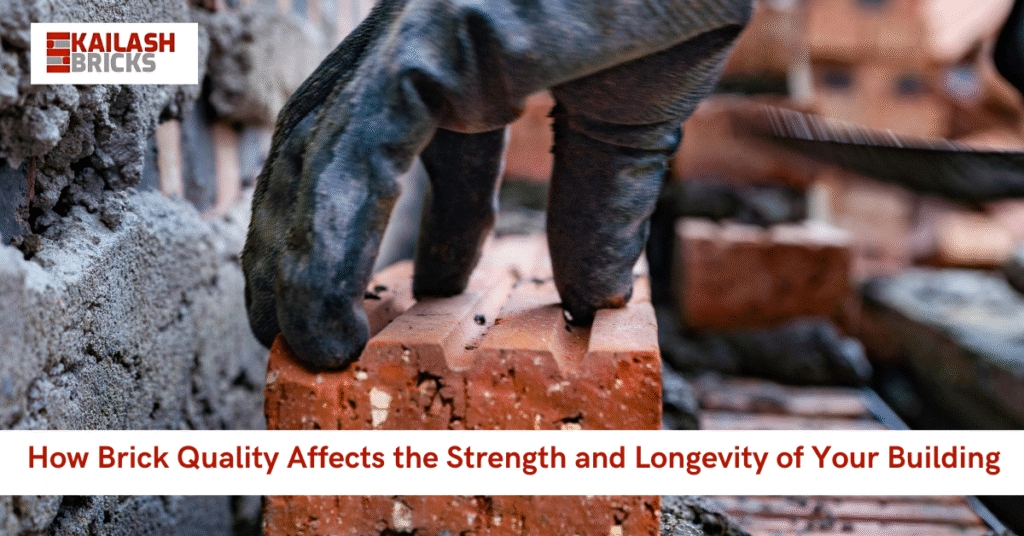
How Brick Quality Affects the Strength and Longevity of Your Building

When it comes to construction, brick quality is one of the most crucial factors that determine the strength, safety, and longevity of any building. From residential houses to commercial complexes, using poor-quality bricks can lead to early damage, high maintenance costs, and even structural failure. On the other hand, high-quality bricks ensure durability, energy efficiency, and long-term value. As a trusted brick manufacturer in India, Kailash Bricks has been helping builders and homeowners choose the right materials for strong and reliable construction. In this blog, we’ll explore how brick quality impacts your building and why it should never be compromised. 1. Strength and Load-Bearing Capacity Bricks form the foundation of your walls. High-quality bricks with proper compressive strength can easily bear heavy loads, ensuring structural stability. Poor-quality or under-burnt bricks, however, may crack under pressure, weakening the entire building.  At Kailash Bricks, every brick undergoes strict quality testing to ensure maximum strength and durability. 2. Resistance to Weather Conditions Buildings are exposed to extreme heat, rain, and cold throughout the year. Inferior bricks absorb moisture quickly, leading to dampness, wall seepage, and fungal growth. High-quality, well-burnt bricks have low water absorption, making your structure resistant to weather damage. 3. Longevity and Durability The life of a building largely depends on the quality of materials used. Using first-class bricks not only increases the lifespan of the structure but also reduces the need for frequent repairs. A house built with premium-quality bricks can last for generations without losing its strength. 4. Aesthetic Appeal and Finishing Good-quality bricks have a uniform size, shape, and colour, which makes the wall look smooth and appealing even without plastering. This not only enhances the aesthetic appeal of your building but also reduces finishing costs. 5. Energy Efficiency and Insulation High-quality bricks provide natural thermal insulation, keeping interiors cool in summer and warm in winter. This reduces energy consumption for air conditioning and heating, making your home more eco-friendly and cost-efficient. 6. Safety and Structural Integrity Buildings made with weak or poor-quality bricks are more prone to cracks, collapse, and other safety hazards. Choosing reliable, high-strength bricks ensures the safety of your family or employees. How to Identify Good-Quality Bricks? Before purchasing, here are a few quick checks: Why Choose Kailash Bricks? At Kailash Bricks, we believe that quality is the foundation of trust. Our machine-made bricks are: Whether you are building a small home or a large commercial project, Kailash Bricks provides the strength your structure deserves. The quality of bricks directly affects the strength, safety, and longevity of your building. Choosing premium, tested, and durable bricks ensures peace of mind and long-lasting construction. Don’t compromise on the foundation of your dream project — invest in quality bricks today.  Looking for the best quality bricks in Haryana? Contact Kailash Bricks today and build a stronger tomorrow.

How Brick Quality Affects the Strength and Longevity of Your Building Read More »

Thermal Hollow Roof Tiles By Kailash Bricks

Thermal Hollow Roof Tiles: Summer-Smart Roofing Solutions by Kailash Bricks

As Indian summers become increasingly harsh and energy costs rise, smart homebuilders and architects are turning to thermal hollow roof tiles — a game-changing solution for passive cooling and sustainable architecture. At Kailash Bricks, we specialise in manufacturing eco-friendly roof tiles that not only beautify your building but also insulate it naturally. If you’re planning a new home, commercial space, or even retrofitting your old roof, here’s why thermal hollow tiles from Kailash Bricks are the ultimate summer-smart solution. What Are Thermal Hollow Roof Tiles? Thermal hollow roof tiles are specially designed clay tiles with internal hollow cavities. These air-filled spaces act as insulation barriers, preventing heat from penetrating your home. The structure reduces thermal conductivity, making the roof cooler from inside even when exposed to extreme sunlight. Unlike traditional solid clay tiles or concrete slabs, hollow clay tiles trap air in their internal cavities. This passive insulation helps maintain lower indoor temperatures during summer without the need for constant air-conditioning. Benefits of Using Thermal Hollow Roof Tiles 1. Superior Heat Insulation Thanks to their hollow design, these tiles significantly reduce the transmission of heat through the roof. Studies show that hollow clay roof tiles can reduce indoor temperatures by 5–8°C, depending on local climate and construction style. 2. Energy Efficiency By reducing your dependence on fans, coolers, or AC units, Kailash thermal roof tiles lower your energy consumption. This directly translates into lower electricity bills and a reduced carbon footprint. 3. Eco-Friendly Roofing Our thermal tiles are made using natural clay, extruded with precision and fired in controlled kilns. They are 100% recyclable, durable, and free from harmful chemicals — a perfect fit for green building certifications like IGBC or GRIHA. 4. Load-Bearing and Durable Despite being hollow, these tiles are structurally strong and load-bearing, making them ideal for all types of buildings — residential, institutional, and commercial. 5. Aesthetic Appeal Kailash Bricks offers a variety of terracotta roof tiles, including Mangalore-style tiles, flat clay tiles, and designer hollow tiles that bring both rustic charm and modern minimalism to your rooftop.  Why Choose Kailash Bricks for Hollow Clay Roof Tiles?  ISO-Certified Manufacturing Our plant uses advanced extrusion technology to manufacture consistent, crack-free hollow tiles that meet international quality standards.  Weather-Resistant Finish Each tile is UV-resistant, waterproof, and fungus-resistant, ensuring long life even in monsoon or high-humidity zones like coastal regions.  Custom Sizes and Shapes Choose from a range of profiles, including flat thermal roof tiles, arched roof tiles, and half-round tiles. Customization ensures that our tiles fit your exact roofing design. Proven Track Record Kailash Bricks has supplied to over 5,000+ residential and commercial projects across Haryana, Delhi NCR, and Punjab. Our products are trusted by top architects and government agencies alike. How Thermal Hollow Tiles Work in Indian Summers Indian summers can push daytime temperatures above 45°C, especially in cities like Delhi, Jaipur, and Panipat. Traditional concrete roofs absorb and trap this heat, radiating it into the interiors even at night. In contrast, thermal hollow tiles: This makes them ideal for climate-responsive architecture in hot and dry zones. Ideal Use-Cases for Thermal Hollow Roof Tiles Installation Tips for Thermal Clay Tiles Kailash Bricks also offers on-site installation support and guidance, making the process seamless for builders and homeowners alike. Where to Buy Thermal Roof Tiles? You can visit our official website or call our sales team to place orders. We supply across Delhi NCR, Haryana, Punjab, Rajasthan, and also cater to bulk project orders nationwide. Thermal hollow roof tiles are more than just a roofing material — they are a smart investment in comfort, sustainability, and long-term cost savings. As one of India’s most trusted clay brick and tile manufacturers, Kailash Bricks is committed to offering roofing solutions that blend tradition, technology, and eco-consciousness. Upgrade your building today with heat-resistant roof tiles that not only look great but also work hard to keep you cool.

Thermal Hollow Roof Tiles: Summer-Smart Roofing Solutions by Kailash Bricks Read More »